Huffington Post: “https://www.huffingtonpost.com/entry/panmela-castro-graffiti-artist-brazil_us_563cf31be4b0307f2cad508f” by Taylor Pittman
Huffington Post: “https://www.huffingtonpost.co.uk/mary-mccarthy/street-art-as-a-tool-for-_b_15329722.html” by Mary McCarthy
NyTimes: “https://www.nytimes.com/roomfordebate/2014/07/11/when-does-graffiti-become-art/graffiti-is-a-public-good-even-as-it-challenges-the-law” by Lu Olivero
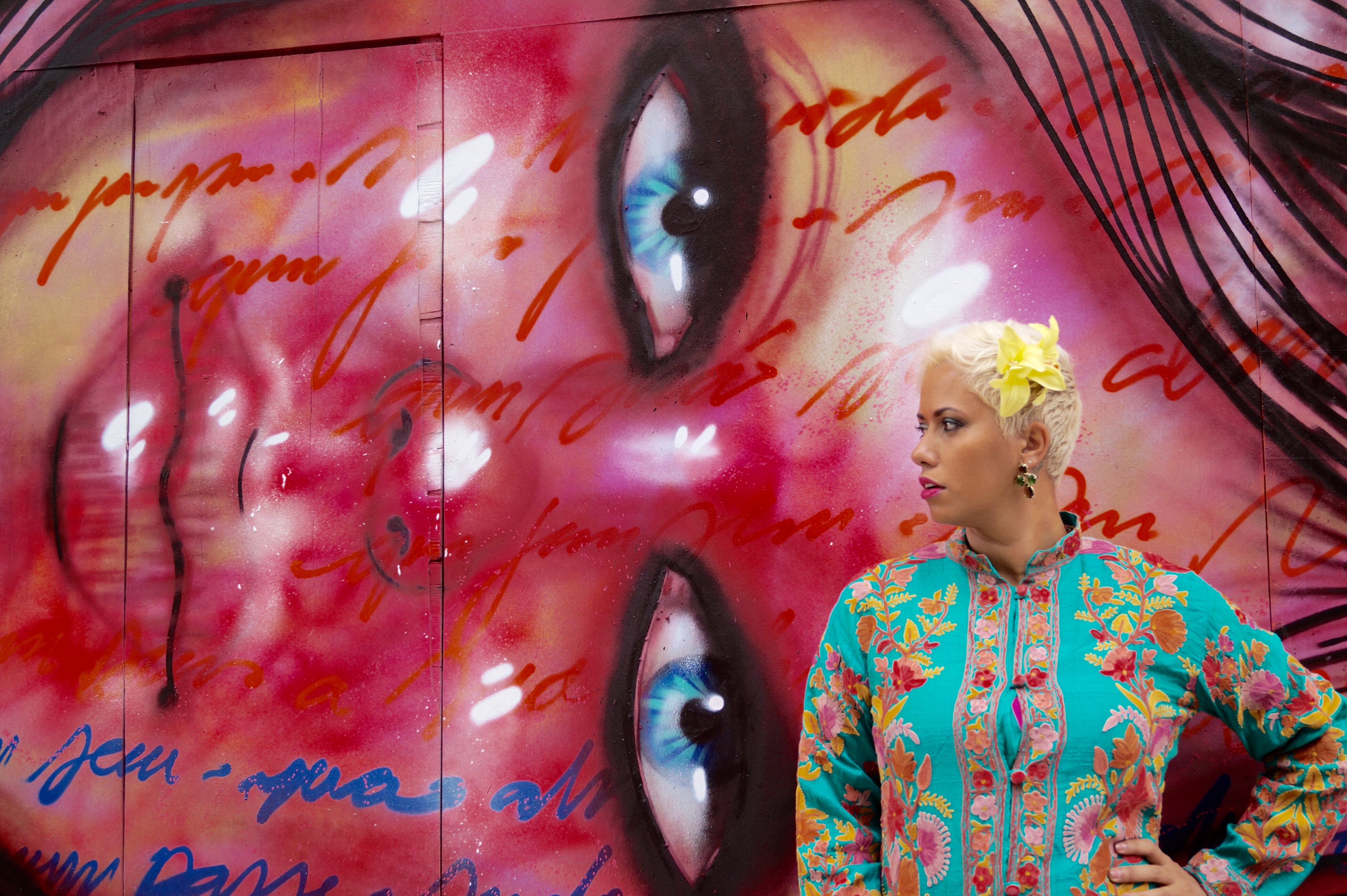
All of the articles have one thing in common: to inspire people to achieve one’s goals and solve problems through the art of graffiti. Taylor Pittman observes, Panmela Castro, a feminist graffiti artist in Brazil. She speaks out against the domestic violence against women by using the city as a focal point of communication. Painting with such vivid colors and striking lines, graffiti pushes people to see the artist’s message. With the city as her playground, she defies the sexist and male dominant society, addressing the problem by drawing murals of women all around her city. These murals serve as her expression of wanting to “change what it means to be a women in the world.” Through her graffiti art, she was able to create a “safe space” called Rede Nami, where women can utilize art to empower themselves. Rede Nami provides workshops for women who, in other circumstances, “would never talk about.” This platform inspires women to safely voice their experiences of domestic abuse and teach women that their art can make an impact.
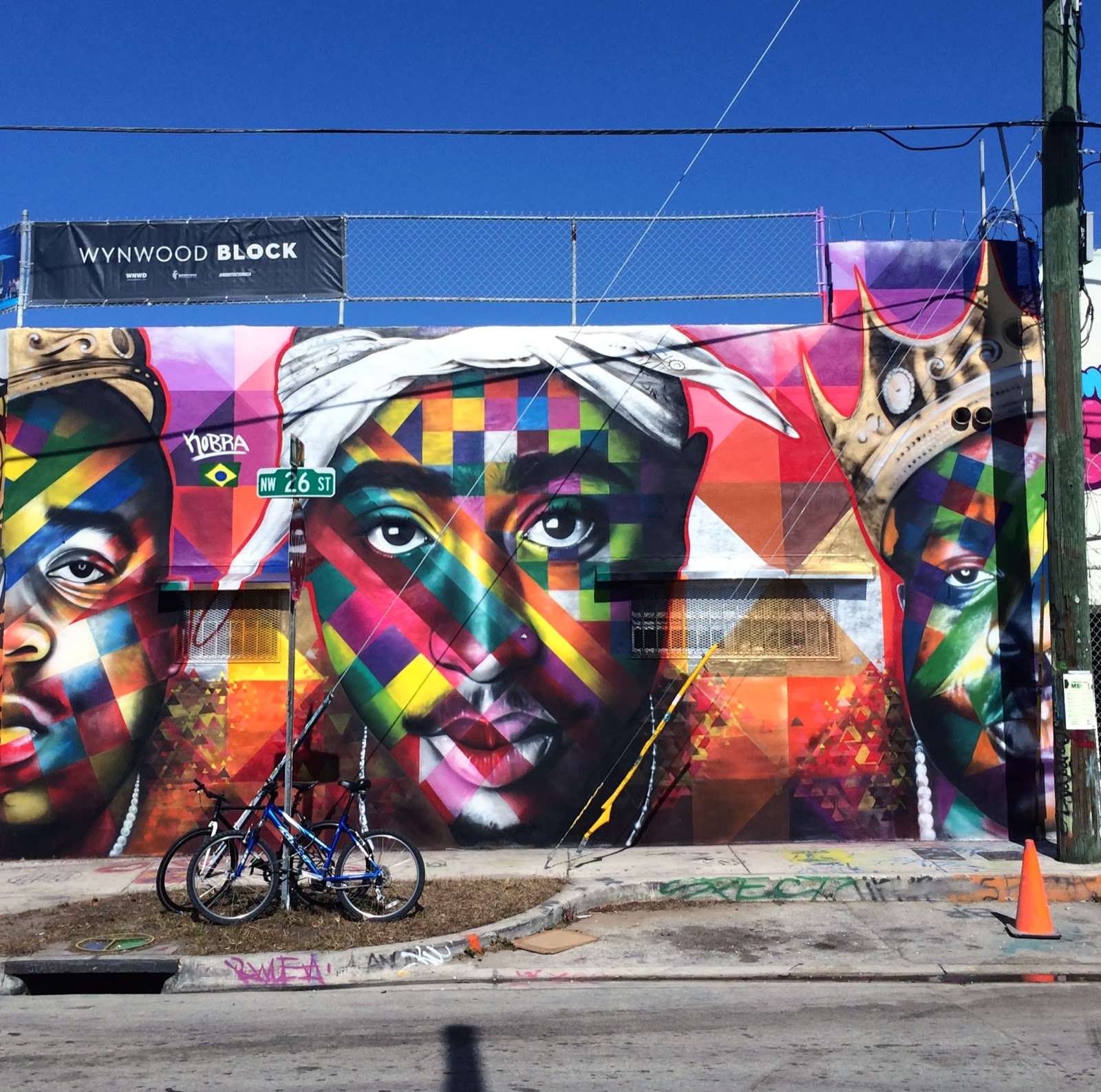
Mary McCarthy’s article gives us multiple examples of how graffiti has impacted areas around the globe. McCarthy speaks about how street art is used as a medium of “rebellion, and speaks of spiritual survival.” Graffiti is used in “poverty stricken” areas to have a sense of belonging, something that gives people a comfort zone. By using the streets people can “advocate and express personal, social, and political opinions.” One of the many example McCarthy gives takes place in Miami where the Goldman family used graffiti to transform one of the most dangerous areas of the city. This is an act of defying the stereotypes of graffiti, where graffiti is known to be as a sign of poverty and crime. With the embrace of street art, many programs sprang to get others into graffiti and is highly encouraged as a site of change and soon developed in other areas around the world. For example in Rio, an artist named JR installed his art in the “favelas” or the slums dramatically improving the mood of the area and gave them a sense of pride.
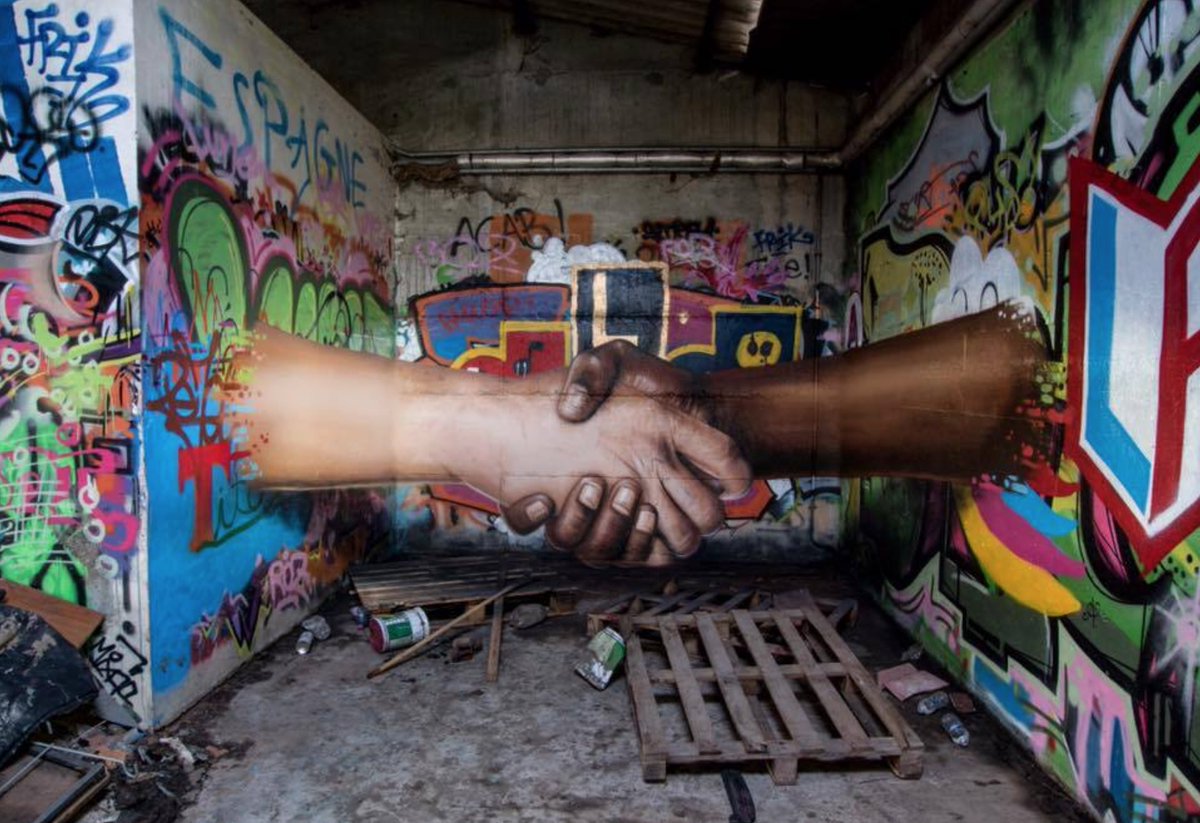
Lu Olivero begins with a form of irony where vandalism “is an expression” following it up with the the stance that it is “what makes it art.” He references Banksy, a British street artist who describes himself as “vandal” but became one of the most famous in the art industry. His works sparked a debate on whether or not graffiti is art or vandalism, raising the question as to why graffiti artist are looked to as “criminal” while artists themselves aren’t. On the topic of government issues, Olivero uses Brazil as an example where police officers often shoot graffiti artists. Olivero then sheds light on all of the positive that graffiti can do to communities. He states that graffiti artists have a goal of social development and “challenging the status quo.” Many graffiti artists create artistry jobs for those who live in low-income areas. They’ve also partnered with the local police officers to work within the legal boundaries of where they can express their art and hold festivals and events.
All in all, the usage of graffiti is used with the goal of solving problems within their city. Pittman’s article talk about how Panmela Castro’s goal is to use graffiti as a method of empowerment and to help others find their voice through art. McCarthy’s article is about how graffiti is a global medium to advocate for one’s opinions which can be a stepping stone to accomplishment. Olivero’s article informs us about how graffiti can be used within government boundaries and with the help of government officials, their can be instances of social development. As a whole, graffiti artists aim to change their community through inspiration, rebellion, and ironically, cooperation. Currently, I am incorporating these strategies within my life but in my own special way. I want to spark inspiration in those around me to make small instances of change, whether it be complimenting, standing up for someone, or simply, supporting those they care about. In some cases, these acts can be forms of rebellion. By supporting those you care about, you are also willing to teach one another from right and wrong, even if it means going against their opinion. You rebel against the superiority of the bully. You rebel against the toxicity of beauty standards and raise one another. It’s as if we can be a splatter of paint on each other’s canvas, coloring each other’s world one stroke at a time.
Not only are they getting the bread, but they are breaking bread as well. With unity and inspiration, the people residing in the communities were able to change the issues that they were facing.

 NguyenHillaryLet'sGetThisBread